
Parkinson's at Home in Green Valley: Caregiver Help That Keeps the Day Moving


Quick answer: Living with Parkinson's can mean that everyday routines feel different from one hour to the next. Some people experience "on" periods when movement is easier and "off" periods when symptoms become more noticeable. Having a caregiver who understands those changes can make mornings, personal care, meals, and familiar activities a little easier to manage. Seniors Helping Seniors® provides non-medical assistance, including medication reminders, companionship, and support with daily routines. In Green Valley, our caregivers are seniors themselves, bringing patience and understanding to the time they spend together.
Parkinson's can be difficult to understand at first because symptoms don't always look the same from one hour to the next. For some people, mornings are especially challenging. There may be times when walking to the mailbox feels manageable and others when simply getting out of a chair takes more effort. Medication can play a role in those changes, but everyone's experience is a little different.
Understanding those changes and being willing to adjust the day's routine can make a meaningful difference. Here's what that might look like.
When mornings take a little more time
For some people living with Parkinson's, mornings can be especially difficult. Stiffness, slower movements, and changes in balance may make getting out of bed, dressing, or walking to the bathroom more challenging than they once were.
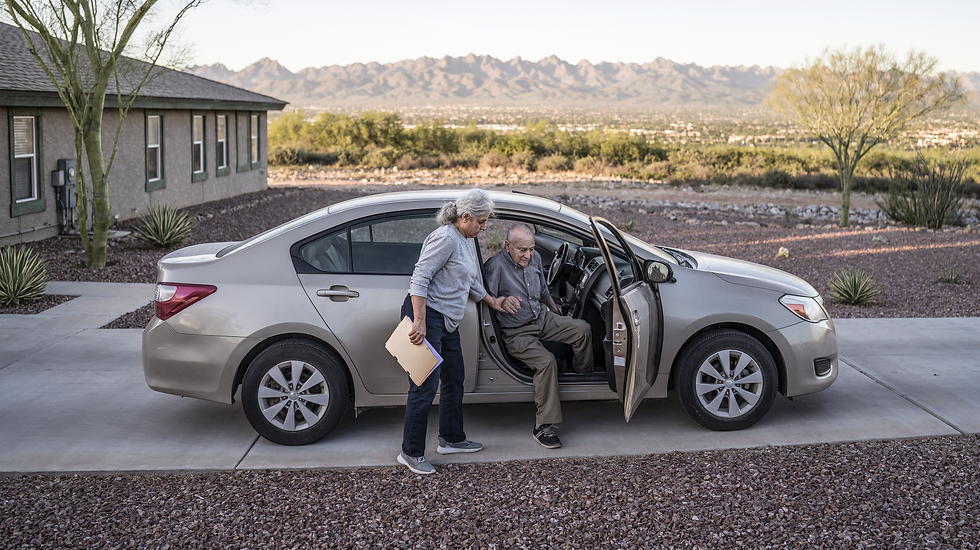
For families exploring in-home care in Green Valley, having a caregiver there during those early hours can bring a little reassurance. She can assist with getting up, offer a steady presence during morning routines, provide medication reminders when needed, and allow the receiver time to move at a comfortable pace. Breakfast, coffee, the morning paper. Sometimes the biggest difference is simply having someone who understands that the day doesn't need to begin in a hurry.
Doing the hard things in the good window
Some parts of the day may feel easier than others, and familiar routines can often be adjusted around those changes. Bathing, dressing, getting ready for an outing, or enjoying a walk may take a little more patience on certain mornings. Rather than rushing through a schedule, a caregiver can assist at a pace that feels comfortable for the receiver, following any guidance the family has received from their healthcare team.

Small adjustments can make everyday routines easier, too. Button hooks, elastic laces, or clothes laid out in order may make dressing feel less frustrating. Mealtimes deserve the same patience. A caregiver can assist with preparing meals, encourage regular hydration, and follow the receiver's established routines, while medication and dietary instructions remain with the receiver and their healthcare team.
Freezing, falls and the furniture
Parkinson's can affect balance, walking, and the ability to start or continue a movement. Sometimes a person's feet seem to freeze in place, especially when turning or moving through a doorway. Those moments can be frustrating and may increase the risk of falling.
A caregiver can offer patient assistance with everyday movement, follow mobility guidance provided by the healthcare team, and pay attention to potential hazards around the home. A loose rug, a low couch, or a bathroom without grab bars may be worth discussing with the family. Sometimes making the home easier to navigate begins with noticing those little things.
The voice, the face and the mood
Parkinson's can affect more than movement. A softer voice or less expressive face may make someone seem withdrawn, even when they still enjoy being part of the conversation. Changes in mood, including depression or apathy, can also occur and deserve attention from a healthcare professional.
Having a familiar caregiver around creates opportunities for conversation, companionship, and connection. And when something seems different, caregivers can bring those observations to the office's attention so concerns can be addressed appropriately, while respecting the receiver's privacy and preferences.
What the family gets
Sometimes it's the little details families appreciate most. A morning that seemed more difficult than usual. A change in appetite. An activity that took a little longer than it did last week. Caregivers can document observations from their visits and communicate concerns appropriately, helping families stay connected to what's happening at home.
Those observations may also be useful to share during a doctor's appointment, especially when family members can't be there every day. It's another way to make sure important changes don't go unnoticed.
Why the caregiver being a senior matters with Parkinson's
Pace matters. When everyday movements take a little longer, having someone beside you who understands the value of slowing down can make a difference. One thing that makes our approach to specialized senior care different is that our caregivers are seniors themselves. That shared stage of life can create a comfortable sense of companionship. As relationships grow, caregivers become familiar with the receiver's routines, preferences, and the little things that make each day easier.
Frequently asked questions
Can your caregivers give Parkinson's medication?
Our caregivers can provide medication reminders according to the receiver's established schedule, but they do not administer, prepare, organize, or adjust medications. Receivers take their own medications, while family members or healthcare professionals manage any additional medication needs.
How many hours does Parkinson's care usually take?
Every family's needs are different. Some receivers appreciate assistance with morning routines, while others may benefit from afternoon companionship, evening assistance, or overnight care. Scheduling can be discussed around the receiver's preferences and the availability of caregivers. There are no weekly minimums and no long-term contracts.
Is this care only for advanced Parkinson's?
Not at all. Assistance at home can be valuable at different stages of Parkinson's, including when someone is still enjoying their usual activities but beginning to need a little extra support. Having a caregiver along for daily routines, outings, or companionship can help receivers continue doing the things that matter to them.
If mornings have become the hard part of Parkinson's in your family, call us at (520) 542-2180 or request a free in-home consultation. We serve Green Valley, Sahuarita, Quail Creek, Continental, Amado, Tubac and the surrounding communities.


Comments