
Is It Normal Aging or Early Dementia? What Green Valley Neighbors Notice First, and What to Do Next


Quick answer: Forgetting a name and remembering it later can be a normal part of aging. But when someone begins repeating questions, getting confused on familiar drives, or struggling with activities they've enjoyed for years, those changes deserve a closer look. Only a doctor can diagnose dementia, but families can act on what they see: get an evaluation, make the house safer, and bring in specialized in-home care early, while routines and independence can still be protected. In Green Valley, that care comes from caregivers who are seniors themselves.
In most places, adult children spot the changes. In Green Valley, it's the neighbors. The woman across the street who notices the car hasn't moved in a week. The bridge partner who says, carefully, "your mother bid wrong three times Thursday, and that's not like her." The pool class friend who mentions your father walked to the wrong parking lot twice.
Those little observations are worth listening to. Friends and neighbors who see someone regularly may notice changes that family members living farther away haven't had the chance to see. It doesn't necessarily mean dementia, but it may be the first sign that something deserves a closer look.
What's normal
Slower recall. Needing a list. Walking into a room and forgetting why, then remembering. Losing the keys and finding them. Taking longer to learn the new TV remote. Being a little less sharp at 4 p.m. than at 9 a.m. These occasional moments of forgetfulness can happen as we get older and don't necessarily mean dementia.
What's different
Some changes are easier to recognize than others. Here are a few things family members, friends, and neighbors may begin noticing:
Repeating. The same question, the same story, within the same hour, with no awareness of the repeat.
Getting lost on familiar routes. Even one unexpected episode of getting lost on a familiar route is worth paying attention to, especially when it's out of character.
Trouble with money and mail. Unpaid bills on the counter, a checkbook that stopped balancing, a sudden interest in sweepstakes letters.
Word-finding. Not forgetting a name, but calling the microwave "the thing that heats" and not noticing.
Withdrawing. Dropping the bridge group, the class, the coffee friends, usually because keeping up has gotten hard and it's embarrassing.
Personality changes. Suspicion, irritability, or a flatness in someone who was never flat.
The house. The same meal every day. Spoiled food in the fridge. The thermostat set to 85 in July because "it's fine."
Noticing one of these changes doesn't automatically mean dementia, and there isn't a certain number of signs you have to see before asking questions. If something feels different from what's normal for your loved one, especially if it's beginning to affect everyday life, it's worth having a conversation with their doctor.

What to do next, in order
1. Get an evaluation. Start with your parent's primary care doctor in Green Valley or Sahuarita. Not every memory change is caused by dementia. Thyroid problems, vitamin deficiencies, medication side effects, depression, and certain infections can sometimes affect memory or thinking. A doctor can help look for possible causes and determine whether additional testing or a referral to a specialist is needed. If that means a trip to Tucson, a caregiver can assist with transportation and accompany your parent to the appointment.
2. Make the house quieter and safer. Fewer rugs, a night light on the bathroom path, the stove checked, one calendar in one place, a whiteboard with today's date and plan. A few thoughtful changes can make familiar spaces easier to navigate and help reduce everyday safety concerns.
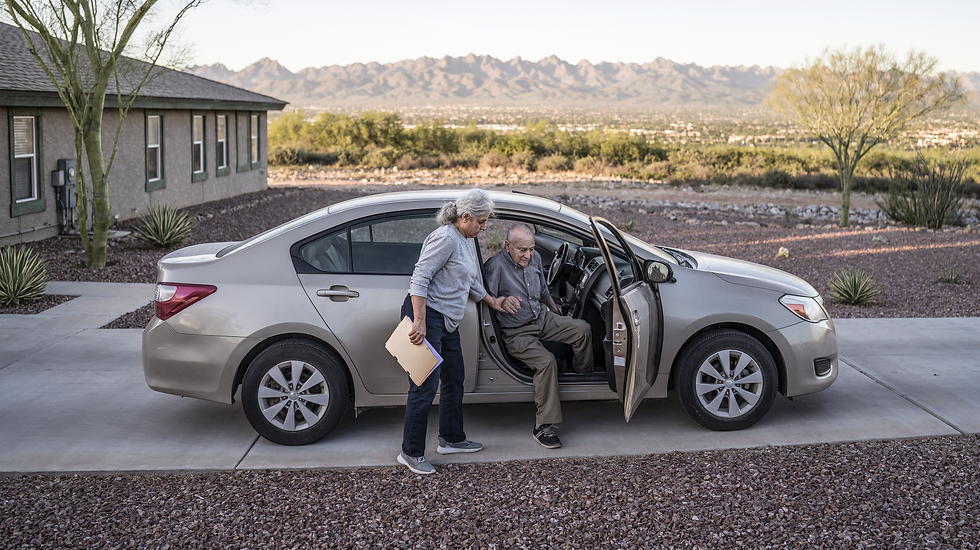
3. Bring assistance in before it's a crisis. Families sometimes wait until everyday routines become difficult before looking into additional care. But exploring dementia care at home, even while a family is still looking for answers, can make a meaningful difference. A caregiver can assist with familiar activities, whether that's getting to a favorite class, enjoying a walk, preparing meals, or simply having someone to share the day with. It also gives families another familiar person who can notice changes and communicate concerns when appropriate.
What specialized care looks like at this stage
In-home dementia care in Green Valley doesn't always mean medical care or moving into a facility. Sometimes it begins with someone familiar coming into the home to make the day a little easier. A caregiver who takes time to learn your parent's routines, offers gentle reminders, and knows that sometimes reassurance matters more than correcting a forgotten detail. Maybe she accompanies your mother to her favorite pool class or helps keep the morning routine feeling familiar. She pays attention to the little changes that might otherwise go unnoticed and communicates concerns appropriately, giving families another source of support along the way.
Because our caregivers are seniors themselves, there's often a shared understanding that can make the relationship feel more like a friendship than a traditional caregiving arrangement. For someone experiencing memory changes, having a companion who feels more like a peer can make those everyday moments feel a little more comfortable and familiar.
Frequently asked questions
My mother is 79 and forgets things. Should I be worried?
Occasional forgetfulness can be a normal part of aging. But if your mother is repeating questions frequently, getting confused in familiar places, or having new difficulties with everyday activities, it's worth talking with her doctor. An evaluation can help identify what's causing those changes and give your family a better understanding of what to do next.
Can you help before there's a diagnosis?
Absolutely. You don't need to wait for a diagnosis to arrange companionship or assistance with everyday routines. A caregiver can provide in-home care and companionship, accompany your parent to appointments, and communicate concerns appropriately while respecting your parent's privacy and preferences.
Will a caregiver make my father feel like he's being watched?
It's understandable to worry about that, especially if your father values his independence. Sometimes it helps to begin with something he already enjoys, like a ride to a favorite class, spending time in the garden, or sharing lunch together. Our caregivers are seniors themselves, and that shared stage of life can help build a comfortable connection over time.
If the neighbors have started calling, or you've started wondering, call us at (520) 542-2180 or request a free in-home consultation. We serve Green Valley, Sahuarita, Quail Creek, Continental, Amado, Tubac and the surrounding communities.


Comments